


Modernizing Public
Space Permitting
Transforming a legacy platform into a scalable digital service.
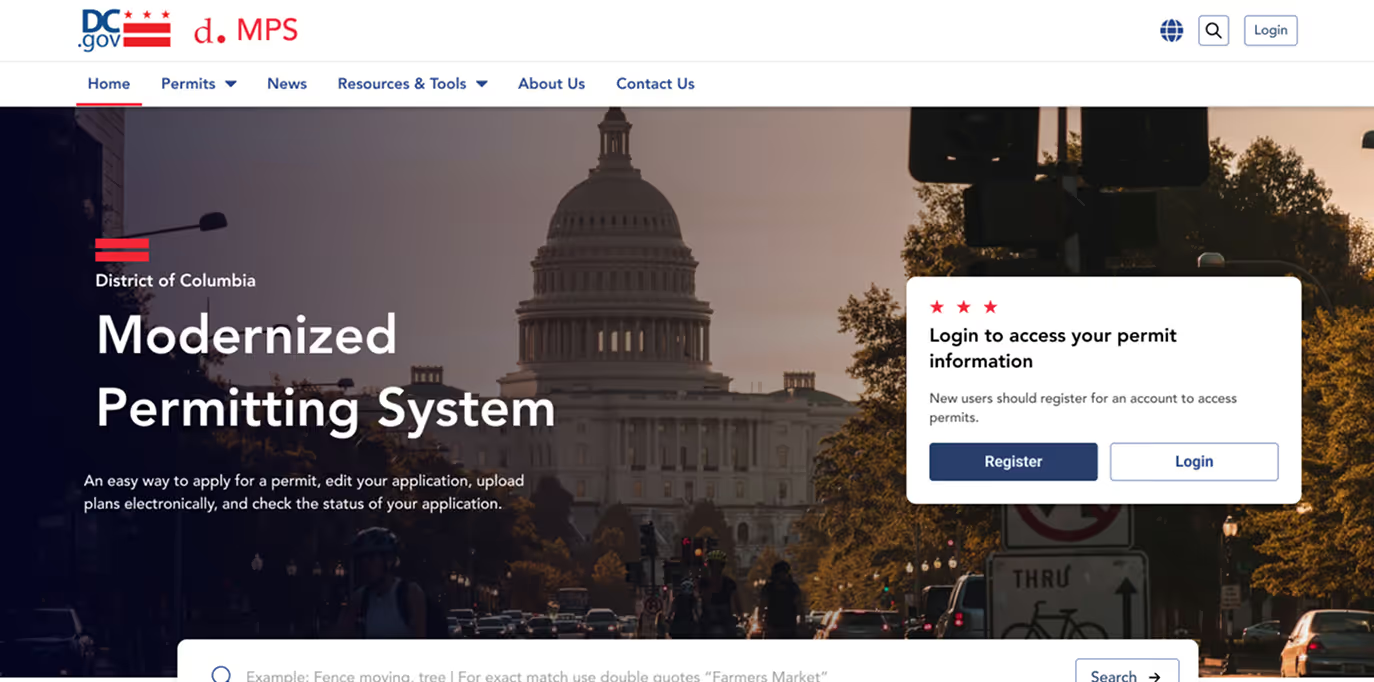
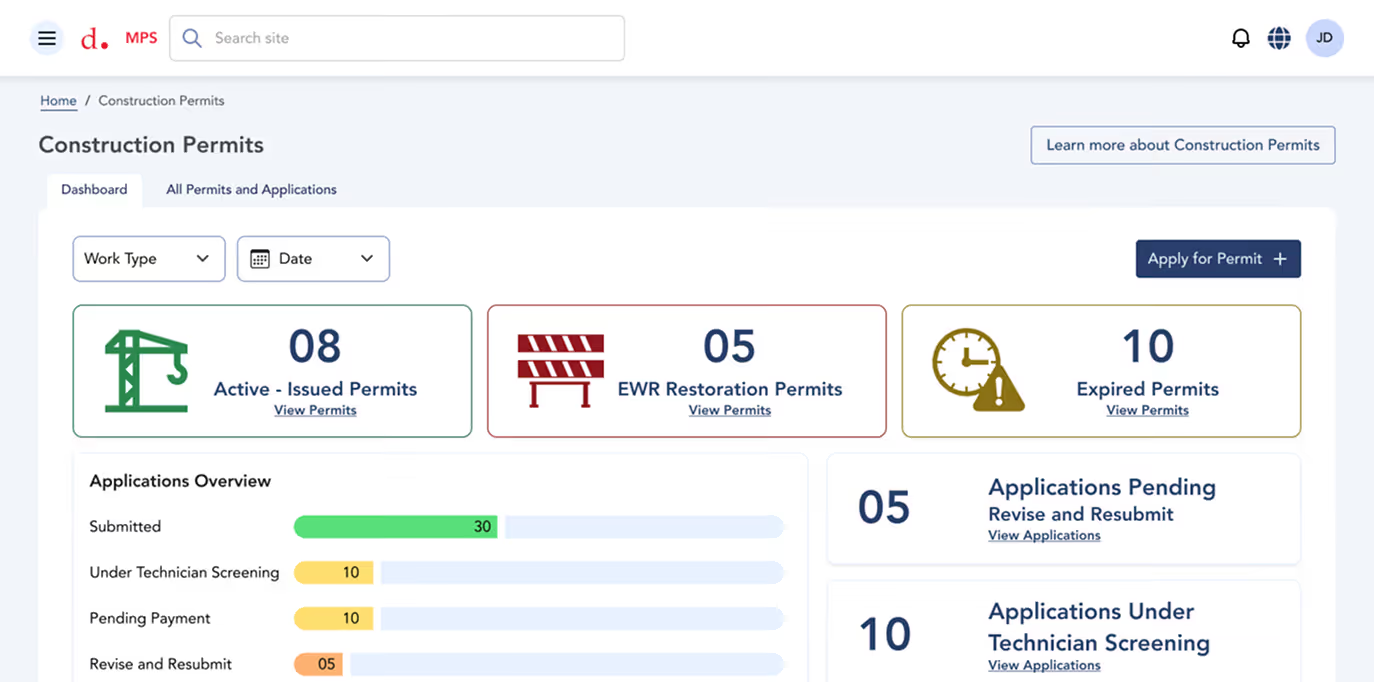
The District Department of Transportation (DDOT) set out to modernize its Transportation Online Permitting System (TOPS)—a mission-critical platform supporting 25+ permit types across public space, construction, emergency work, and commercial vehicle operations.
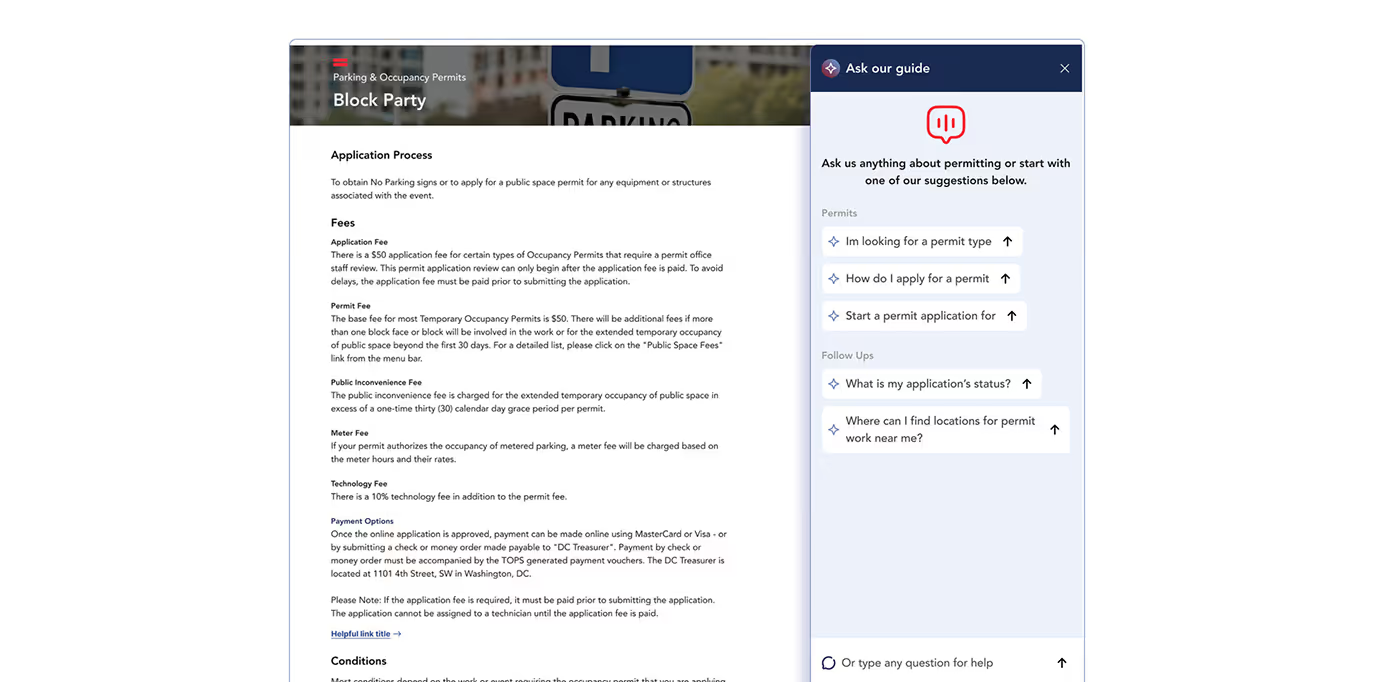
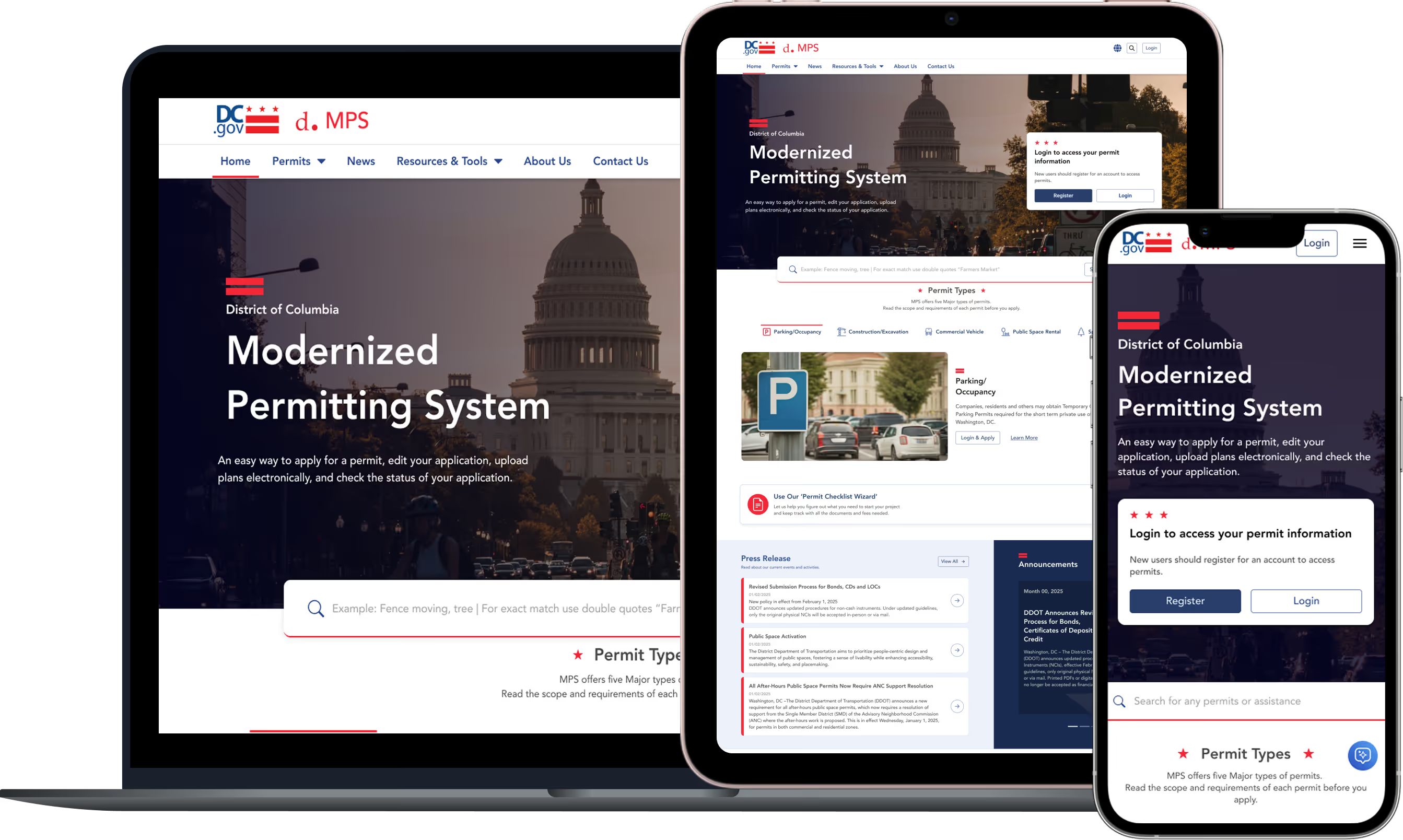
In partnership with CODICE, YUGATECH reimagined TOPS as a flexible, accessible, and future-ready digital service designed around real user workflows.
Project Overview
Navigating complexity across users, workflows, and compliance
TOPS supported a diverse ecosystem—from residents submitting one-time permits to professional expediters managing high volumes, and internal DDOT reviewers coordinating across agencies. Over time, the system became difficult to navigate, costly to maintain, and inaccessible to many users.

External Users
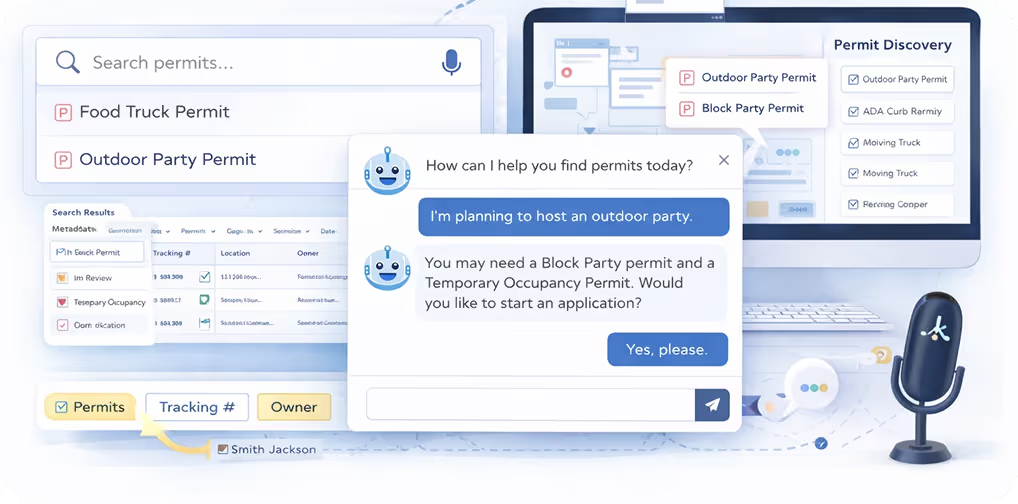
- Confusing navigation and unclear permit pathways
- Limited mobile usability
- Minimal transparency into application status
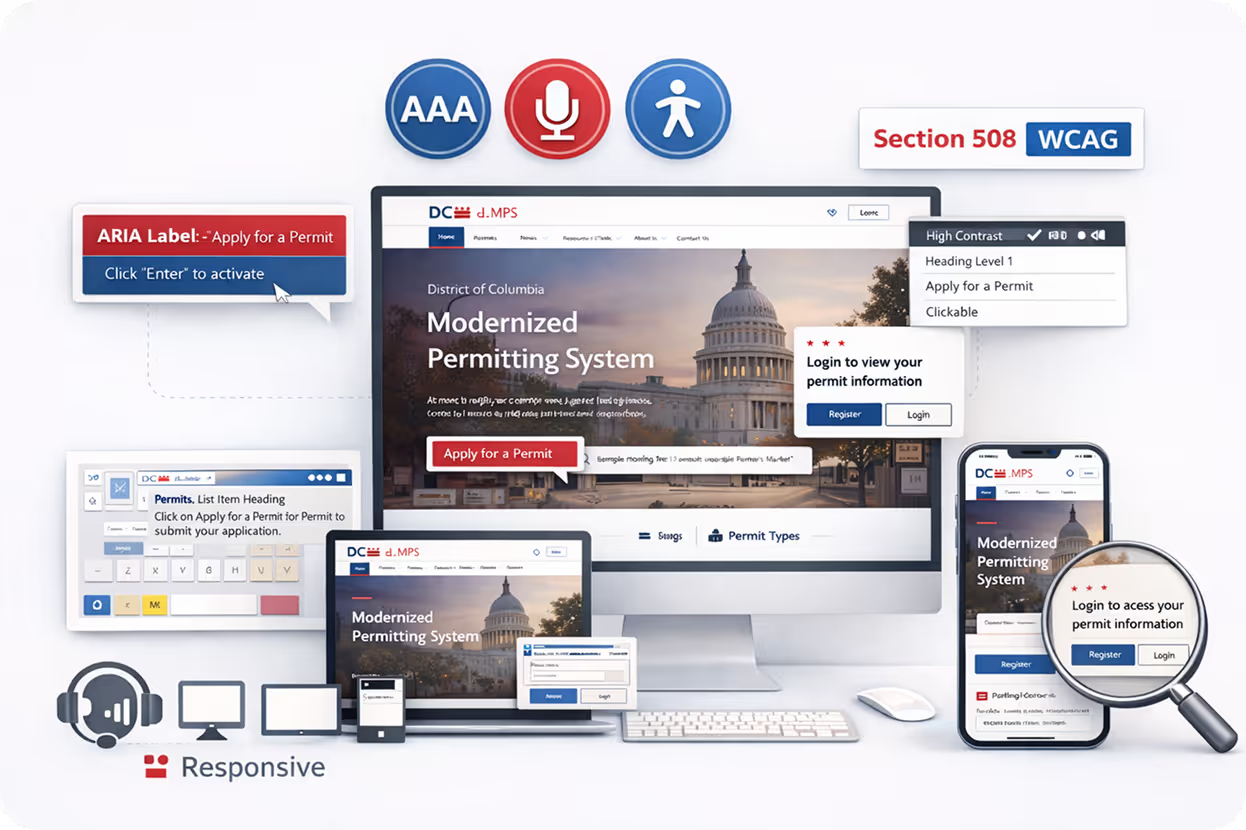
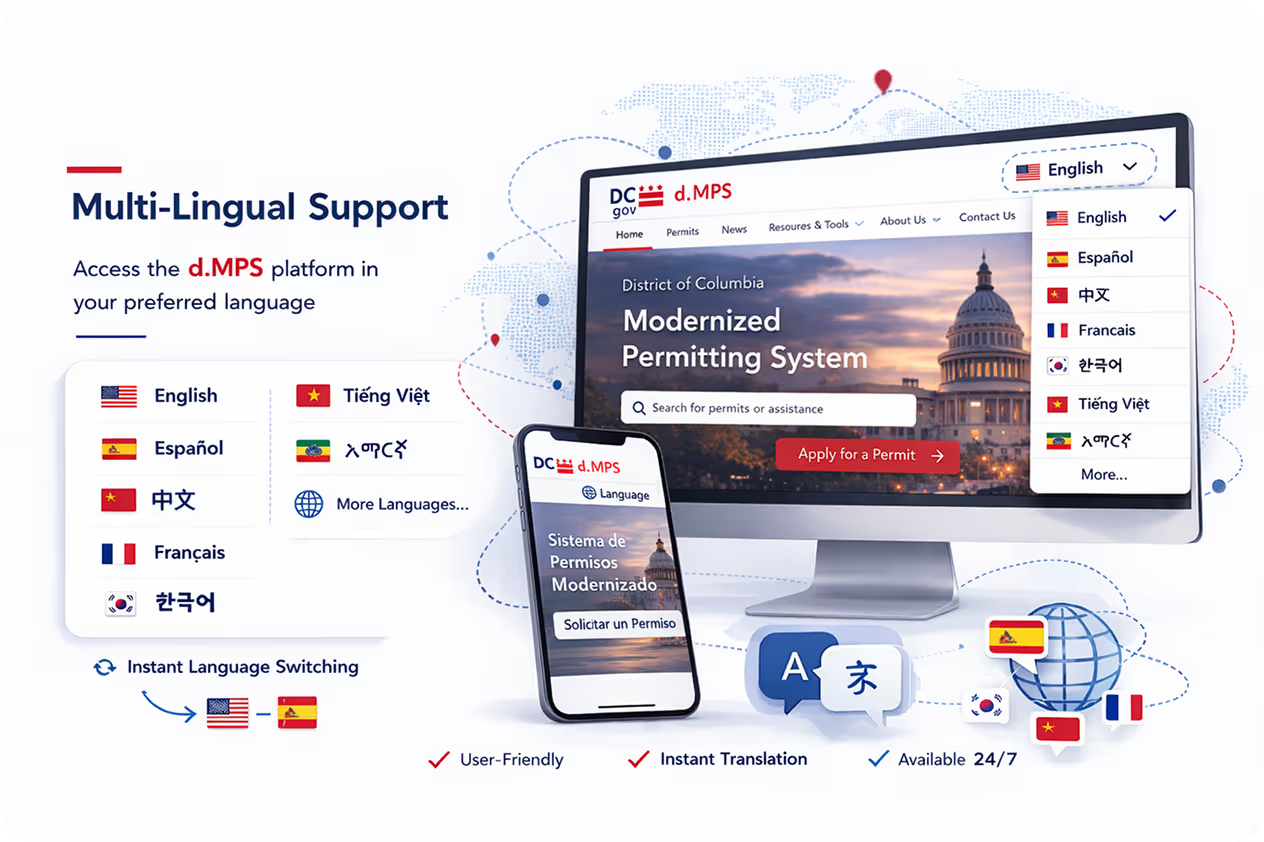
- Accessibility barriers for users with disabilities and LEP
Internal Users
- Fragmented review workflows
- No inline markup or cross-permit linking
- Heavy manual coordination
- High administrative overhead
System Constraints
- Not compliant with Section 508
- No multilingual support
- Rigid workflows unable to adapt to regulatory change
- Limited analytics to identify bottlenecks
_4%201.avif)
Our Role
Leading UX strategy through research, design, and validation
YUGATECH led UX strategy, research, interaction design, and enterprise UI system design for the Modernized Permitting System.
Embedded within the CODICE delivery team, we translated complex regulatory and operational requirements into intuitive, scalable workflows across 25+ permit types.
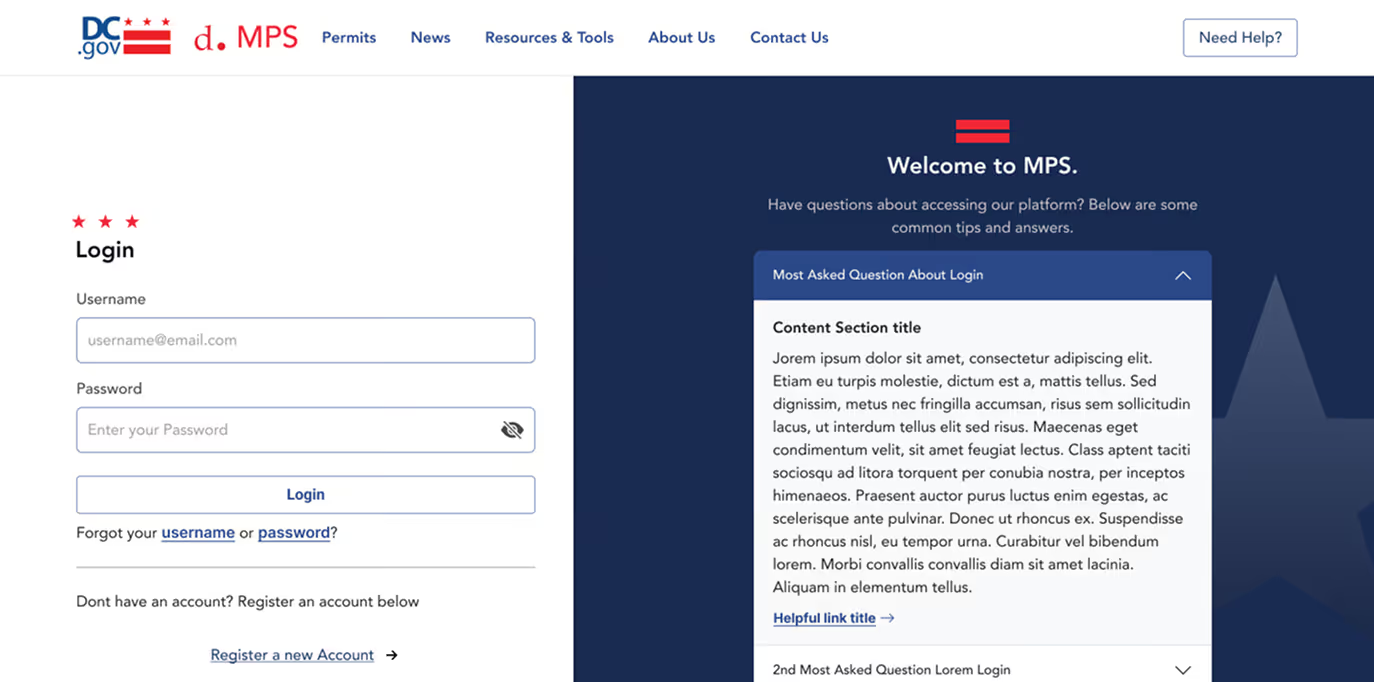
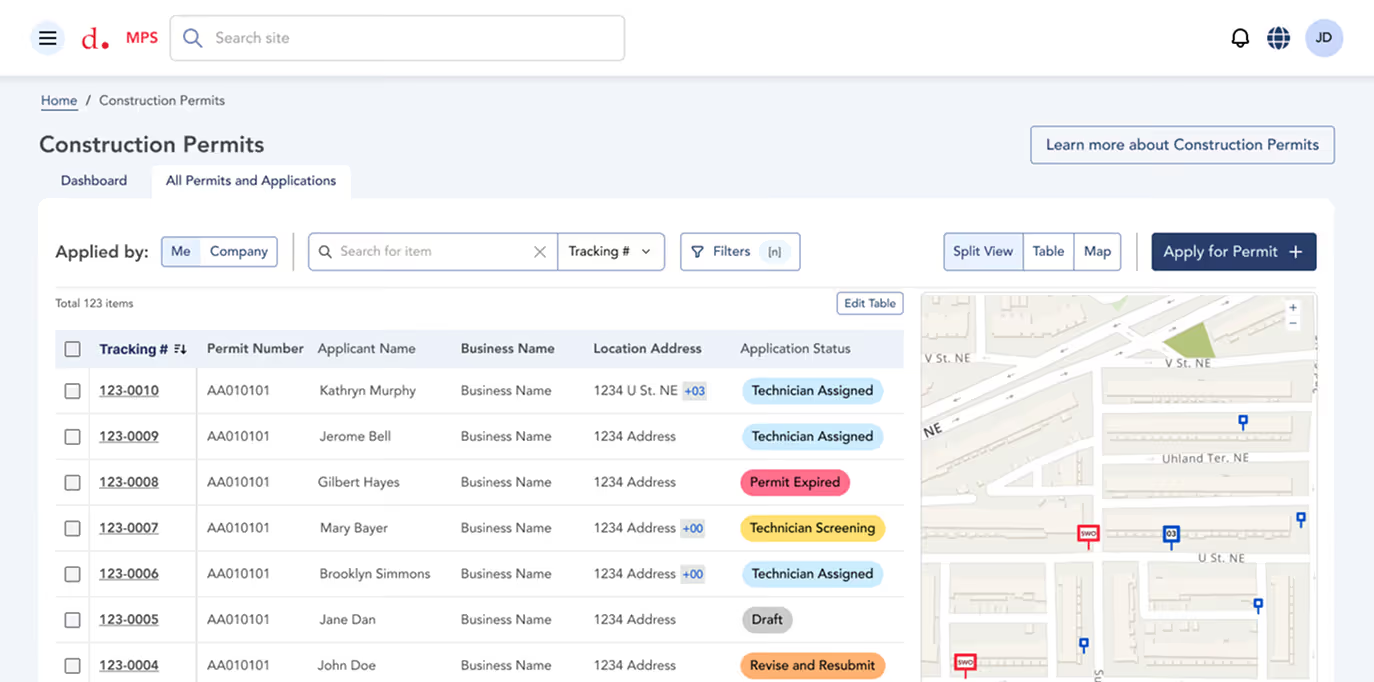
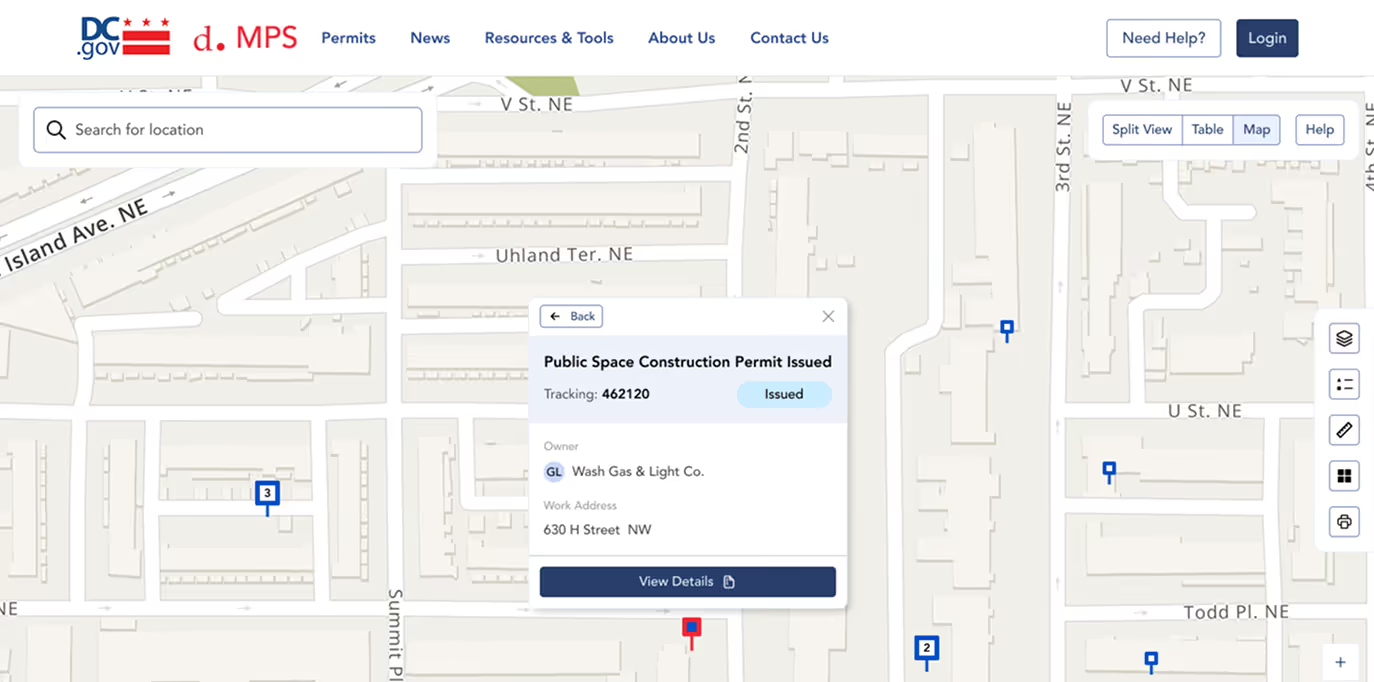
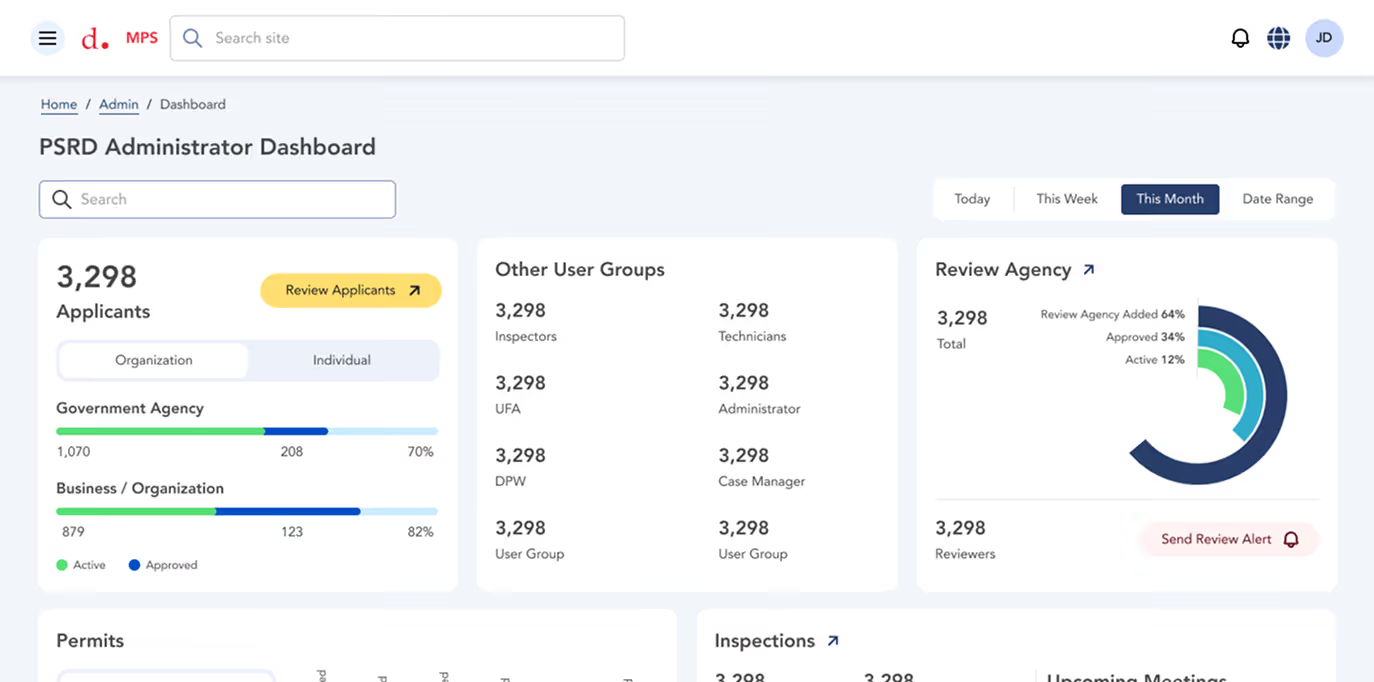
Our work spanned the full design lifecycle—from discovery and information architecture through high-fidelity prototyping, accessibility validation, and implementation-ready documentation.
Discovery & Research

- Conducted stakeholder interviews across DDOT departments
- Reviewed legacy documentation and historical feedback
- Observed live demonstrations of existing workflows
- Developed user profiles for residents, expediters, reviewers, and administrators
- Analyzed Business Process Reengineering documentation

8+
Design & Iteration
- Produced 100+ low-fidelity wireframes
- Built 1,000+ high-fidelity prototype screens
- Conducted iterative feature cycles
- Partnered closely with engineering and business teams
- Established structured design governance

1000+
Validation & Readiness
- Conducted usability testing to validate flows
- Completed Section 508 accessibility reviews
- Delivered implementation-ready documentation
- Created design rationale and review decks

Full 508
Deliverables
- 8+ user profiles
- 25+ process flows
- UX research report
- 1,000+ prototype screens
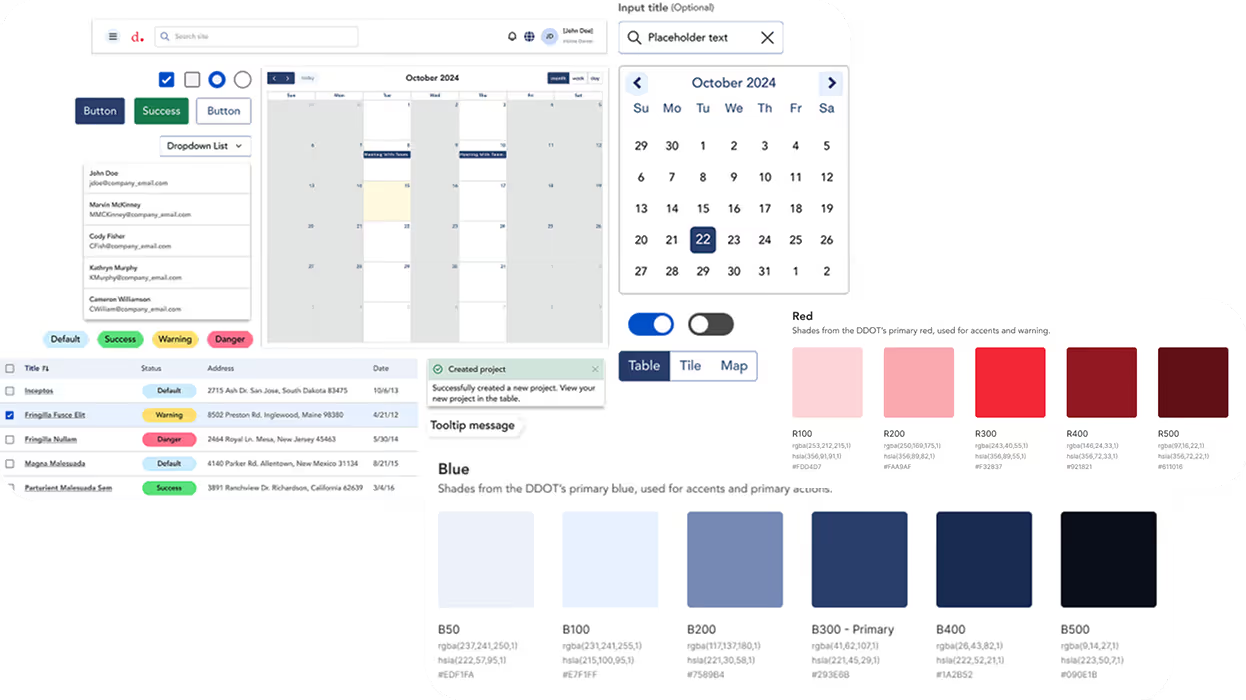
- Enterprise design system
- Component library
- Accessibility compliance guide
- Usability testing reports
- Development-ready specifications
8+
25+
1000+
100%
Tools & Methods
- Miro
- Figma
- Photoshop
- Illustrator
- Usability testing
- A/B testing
- Accessibility audits
- Agile/Scrum
- Confluence
%201.avif)


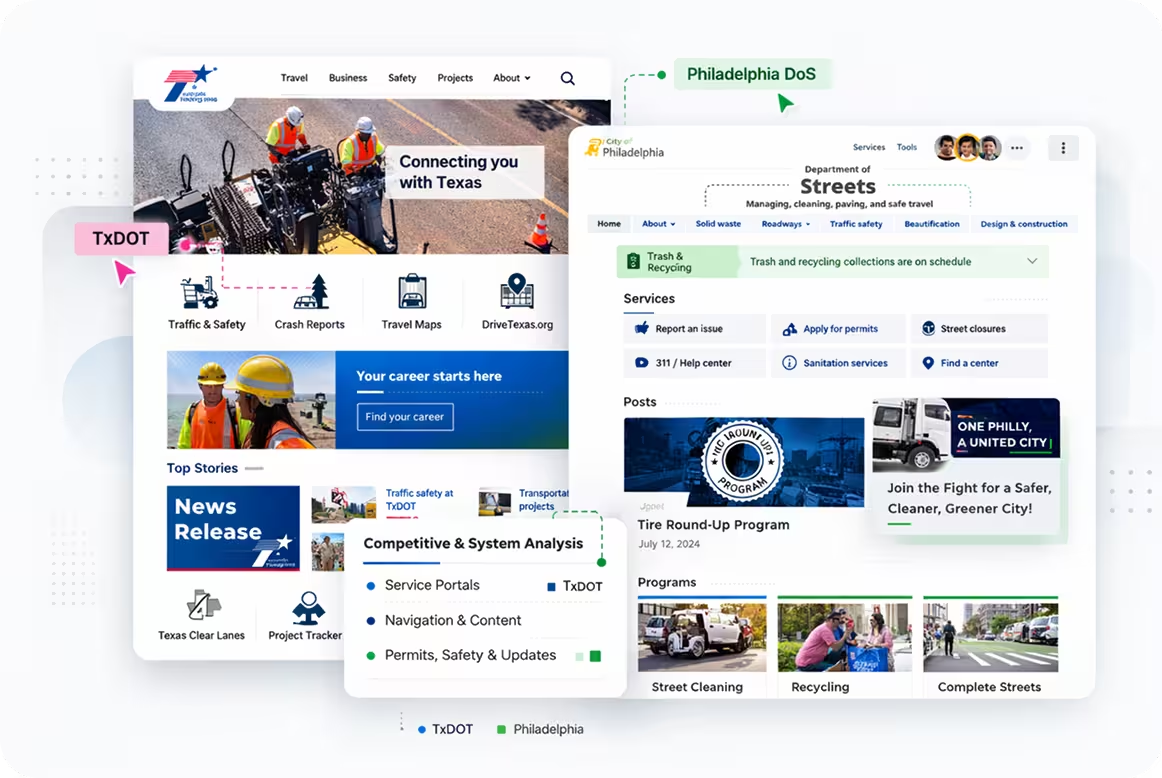
From research insights to scalable system architecture
We approached the Modernized Permitting System as a comprehensive transformation—integrating research, experience design, accessibility, intelligent discovery, and operational visibility.


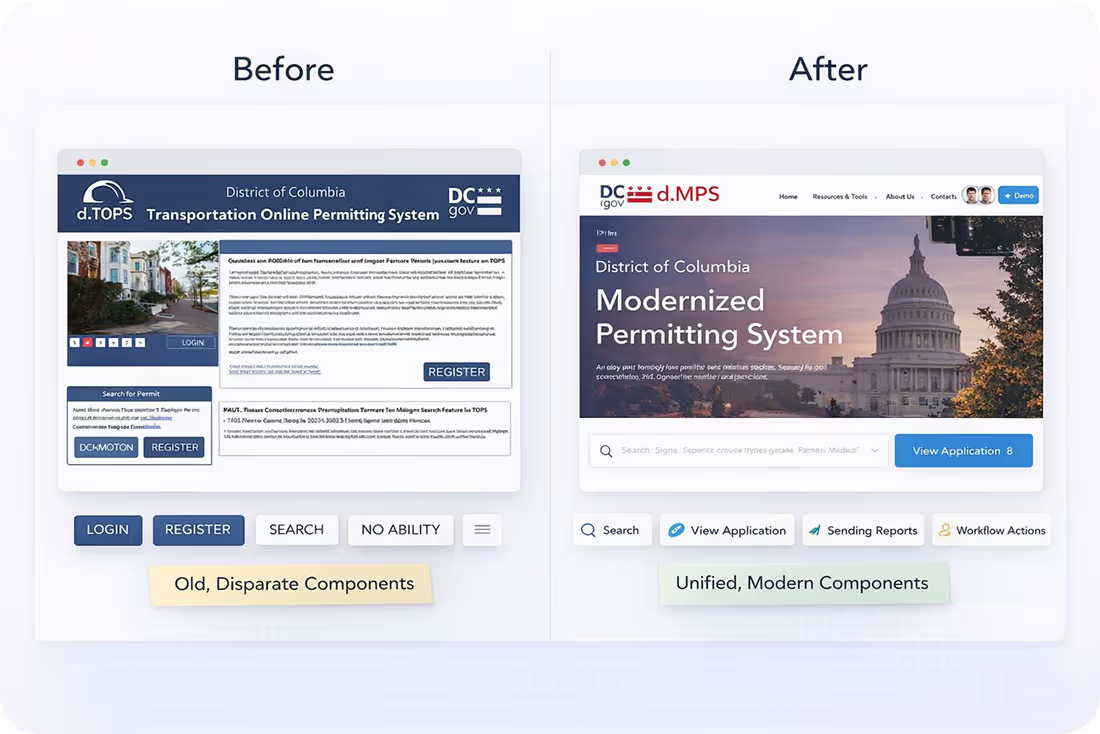
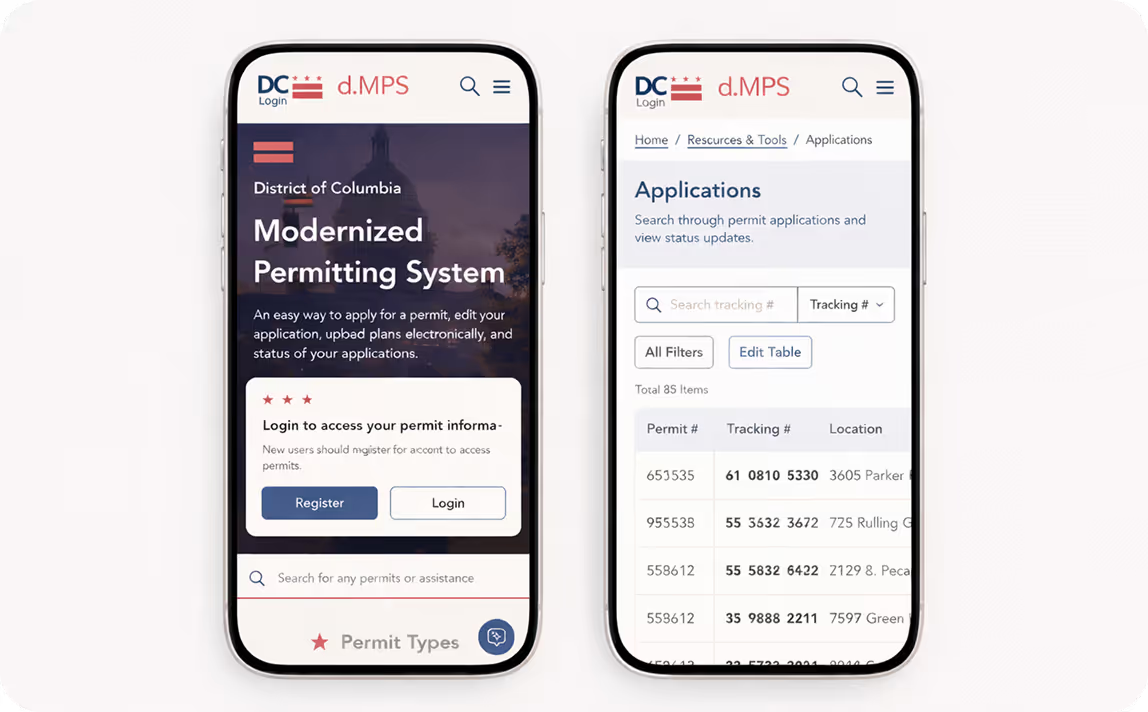
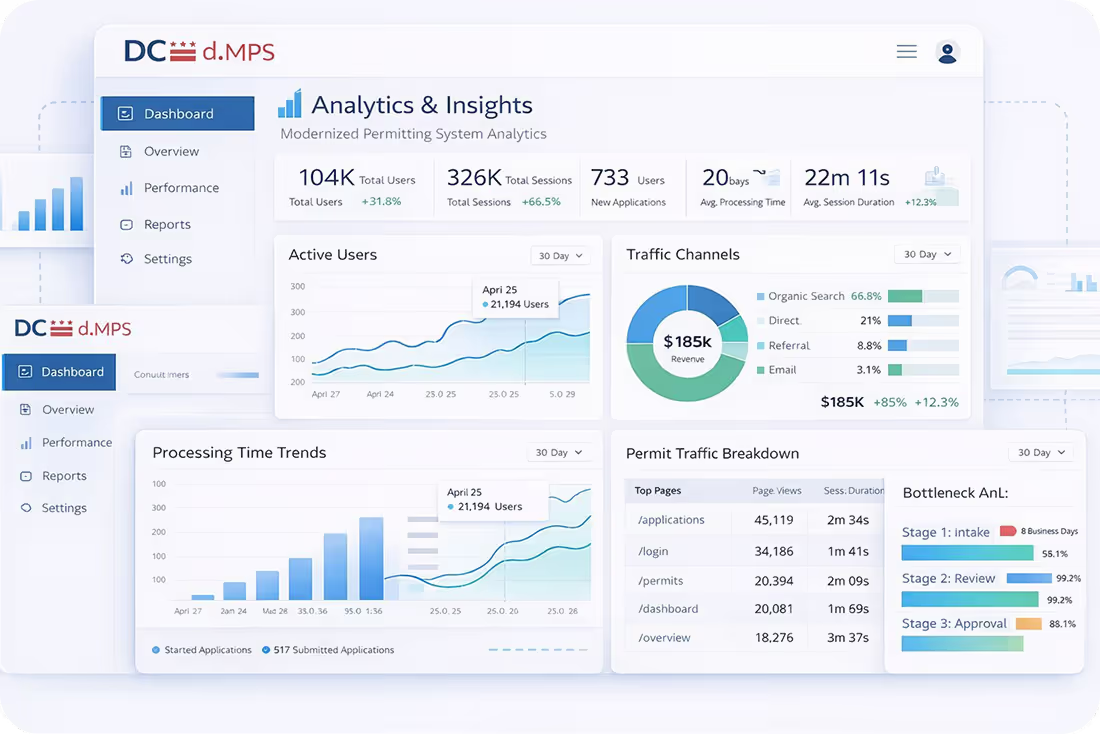
Delivering measurable improvements in usability and efficiency
Through research-driven design and accessibility leadership, the platform evolved from a rigid legacy system into a scalable digital service infrastructure.
Key outcomes included:
compliance
support
transparency
Lessons from modernizing a mission-critical government system

Conclusion
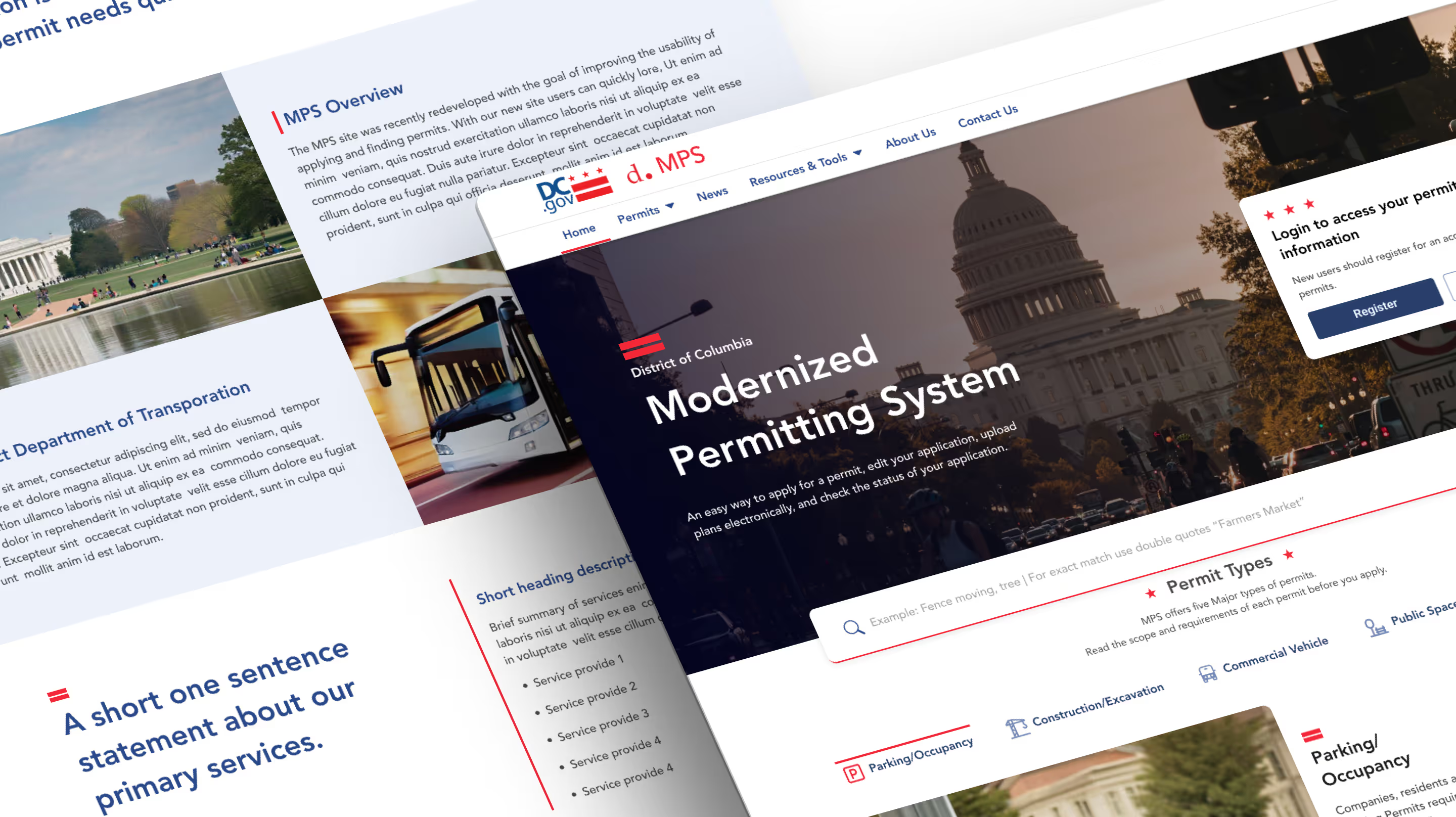
By centering diverse user needs and designing for adaptability, YUGATECH helped establish a scalable foundation for public-sector digital services in Washington, DC.
About YUGATECH LLC
YUGATECH is a UX design consultancy specializing in modernizing complex government and enterprise systems. We transform legacy platforms into accessible, scalable digital infrastructures grounded in research and real-world workflows.
Our work bridges policy, technology, and human-centered design—helping organizations deliver inclusive, future-ready digital services.
THANK YOU !
To learn more about this project, feel free to contact us anytime.